ALANIA
State of Alania
Capital: Frankstadt
Largest City: Frankstadt
Population: 6 million
Head of Province: Gov. Abdellahi Hemedi
Head of Government: Gov. Abdellahi Hemedi
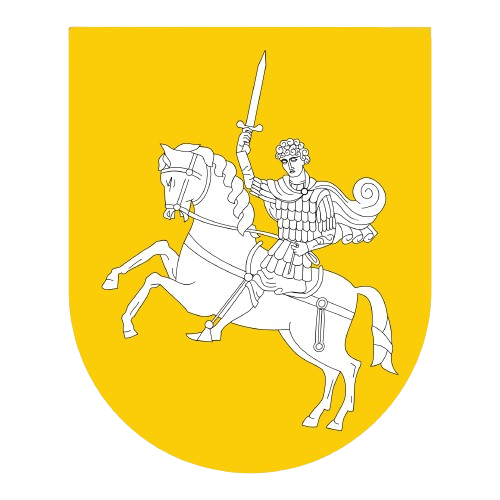
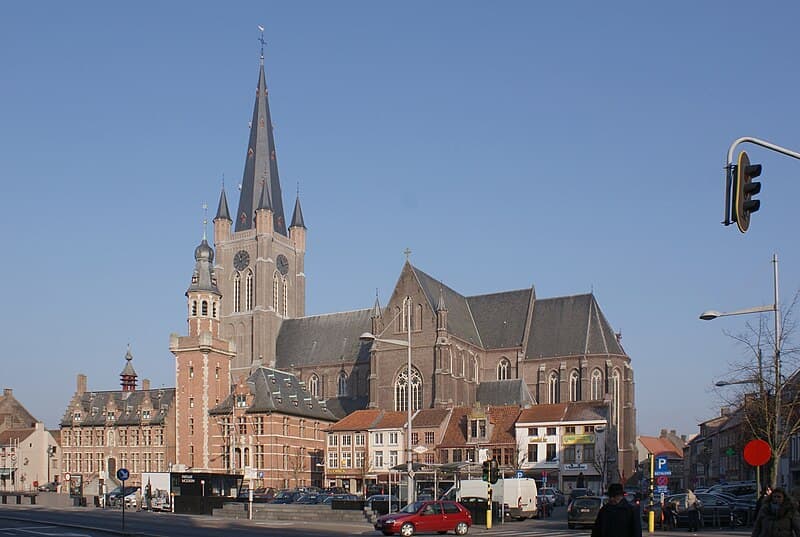
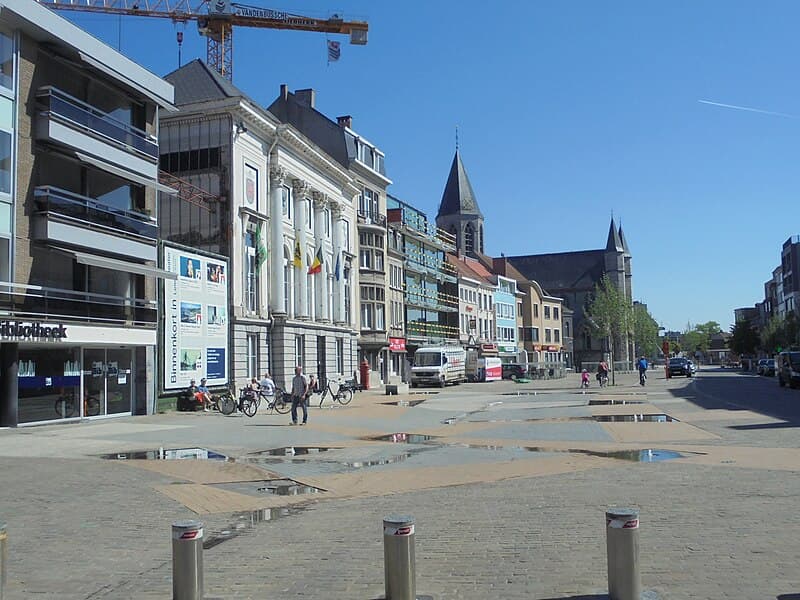
Alania (Sugovian: Alanien), officially the State of Alania (Sugovian: Staat Alanien) is located in the center-southeast of the country. It borders Otfridenia, Sunland, Algaria, Heckel, Leiyern, and Aldental. It has a population of 6 million, it is the tenth most populated province in Sugovia. Its capital is the city of Frankstadt.
Originally home to the Alanian Host, an area settled by a semi-nomadic subgroup of the Sugovics known as the Alans. Alman tribes such as the Tubrissi settled in the Alanian Host, mixing with the local Alans. By the 11th century, most Alans had integrated into the majority Almans. Some Almans also began adopting the semi-nomadic lifestyle of the Alans. These would eventually be the Wandelsloed.
The Alanian Host evolved into the Lordship of Alania and became a feudal society in the 10th century. Alania was primarily ruled by the House of Velda (until the 12th century), House of Halwecht (until the 15th century), and the House of Raubach (until the 16th century). Alania was then annexed by the Elbonian Empire during the late 16th century and took the title of Lord of Alania. Alania became a part of the Elbonian Crown Lands.
At the end of the Elbonian Wars, Alania was made independent. However, the House of Raubach had died in the late 18th century, so the old lords of Alania could not retake the throne. A regency was established by the local nobility of Alania, the Edelrie, to rule over Alania. The Edelrie elected amongst themselves into the regency. Alania experienced turmoil throughout the 19th and 20th centuries as part of the Concert of Sugovia. Alania slowly allowed more people outside the Edelrie to vote and in 1935, Alania joined the other fifteen provinces to form the Republic of Sugovia and introduced universal suffrage for all citizens above 20.
In the 20th century, Alania was one of the poorest provinces in Sugovia, and was one of the least densely-populated. Lack of trade and infrastructure led to it being known as a lawless, backwards frontier surrounded by civilization. However, this changed in 1971 when Sugovia implemented the Transmigration Program, offering citizens who lived in more populated provinces to live in provinces like Alania and help improve its economy. Hundreds of thousands of people moved to Alania, establishing new settlements such as the town of Gorheim.
Western Alania saw fighting during the War in Heckel, as forces of the Elbonian National Army invaded the province’s west, which has small Elbonian populations. During the war, many non-Elbonians fled to neighboring provinces, including Alania, establishing settlements such as Antwick and Sylbe.
Thanks to the Transmigration Program, Alania saw rapid development. Roads were constructed passing through the whole province, supporting new levels of transportation within Alania. Frankstadt Central Station was constructed in 1992 to help connect the Algarian capital of Weißwasr and the Otfridenian and Sugovian capital of Reverion. Economic growth in Alania was in an all-time high during the 20th century.
The 1998–1999 Sugovian political crisis affected Alania greatly. The province’s economy dropped and investment slowed into the province. While the early 21st century saw a return to normal, Alania remains deeply affected by the crisis. Today, Alania is a stronghold for the Republic Movement, one of the three successors of the Democratic Party that broke off following the 1998–1999 crisis.
Today, Alania still has the stigma of being a sparesly populated province. Though this is true, it has also grown significantly since the introduction of the Transmigration Program. It currently has a strong industrial sector thanks to the program and entirely new cities have appeared on the map to support these developments. Thanks to the infrastructure upgrades as well, many who live in neighboring provinces work in Alania, helping boost its economy and output.
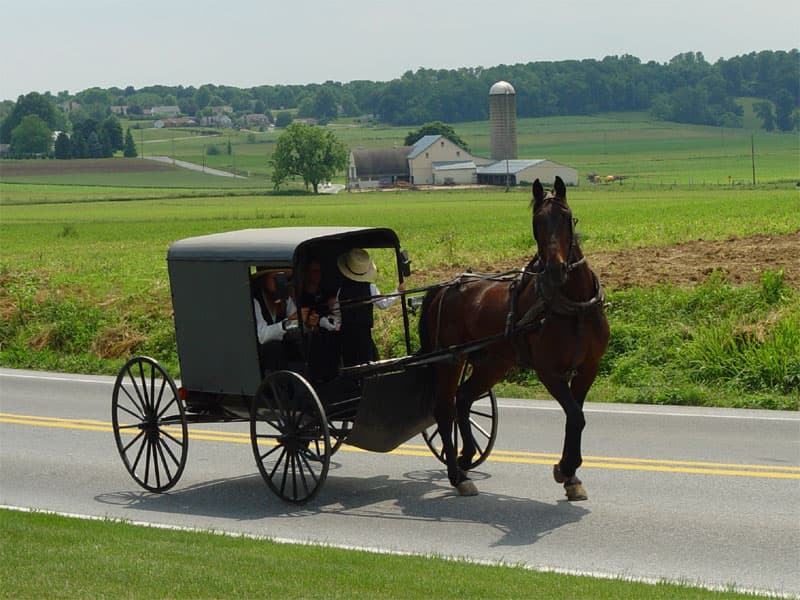
Of Alania’s 6 million population, 2 million are people who moved to Alania through the Transmigration Program or their descendants. 4 million are people who are Alanian by identity. Within this 4 million are 1 million Wandelsloed, a semi-nomadic people that live exclusively in Alania. Most Wandelsloeds never settled up until the 21st century, and many still live and travel via horse-drawn carriages and caravans. The Wandelsloed tend to avoid (though not outright reject) technology to protect their historic culture, language, and way of life. However, they exist as part of modern society. Many work in jobs throughout the cities, pay taxes on their carriages and caravans, and even enter politics. In return, the Alanian government often build infrastructure to help with accessibility and protecting their unique lifestyle and heritage as the closest link to their ancient Sugovic ancestry.